
Sunscreen Stick vs Cream: Which Sun Care Texture Fits Your Day?
Sunscreen stick vs cream: how each texture wears, when to reach for which, plus what people get wrong about niacinamide in sun care. A balanced guide.
- sunscreen
- sun care
- niacinamide
- spf
- k-beauty
- skincare tips
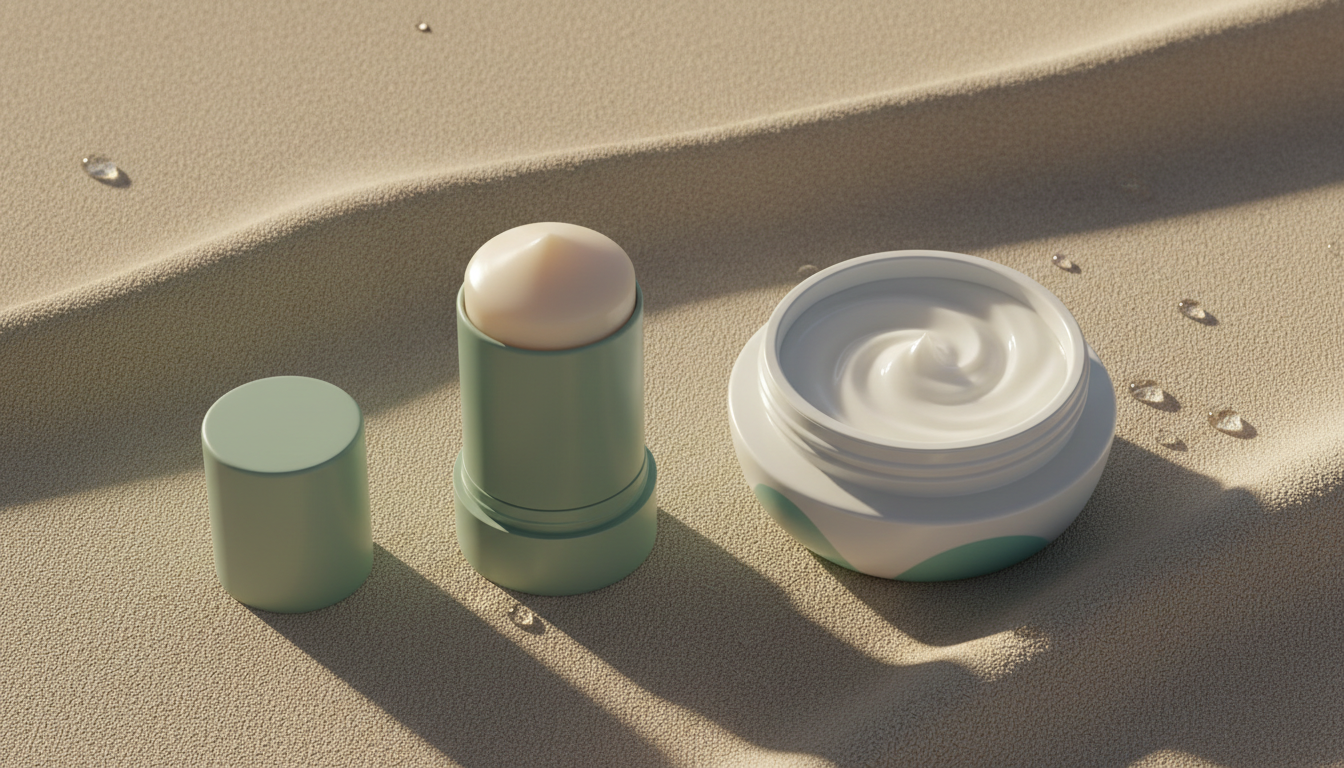
The Texture Question Nobody Really Answers
Walk down any sun care aisle, or scroll any skincare feed, and you'll find people arguing as if there's one correct answer: stick or cream. The truth is calmer than that. Neither texture is universally better. Each one simply fits different moments in your day better than the other.
A sunscreen cream and a sunscreen stick can deliver comparable protection when used correctly. What separates them is the experience of wearing and reapplying them—how they feel under makeup, how easy they are to refresh at 2 p.m., how willing you are to reach for them again.
That's the lens we'll use here. Not hype, not a winner-takes-all verdict. Just an honest look at how each texture behaves, so you can match the right one to the right moment.
How a Sunscreen Cream Actually Wears
A cream is the workhorse of most morning routines, and for good reason. It spreads into an even, continuous baseline layer across the whole face, which is exactly what you want for your first application of the day. Because it's fluid, it's also easier to measure an adequate amount—roughly two finger-lengths for the face and neck is the classic visual cue.
Creams tend to bring comfort along with coverage. Many are formulated with humectants and softening agents, so they double as a hydrating step that smooths the canvas before makeup. Layered correctly and given a minute to settle, a good cream sits quietly under foundation rather than fighting it.
Where creams fall short is later in the day. Reapplying a lotion over finished makeup is awkward at best—you risk smearing, pilling, or disturbing everything underneath. And a tube isn't always the friendliest travel companion: caps loosen, product migrates, and applying with bare hands isn't ideal when you're out and about.
Where the Sunscreen Stick Shines
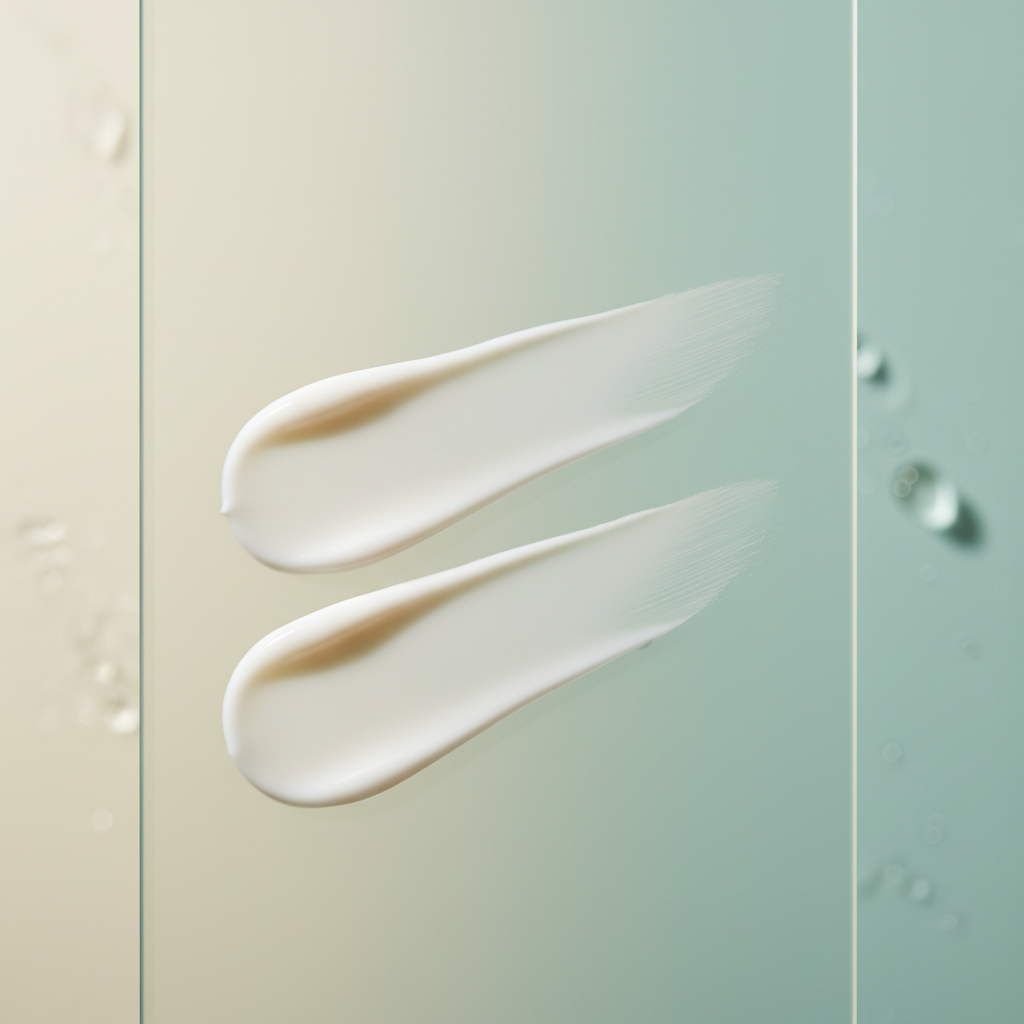
The stick solves the problems the cream creates. It's a swipe-on format, so there's no decanting into your palm, no greasy fingers, no fuss. That makes it genuinely practical for the moments creams struggle with: midday touch-ups, the train platform, the trailhead, the beach towel.
The stick's real superpower is reapplying over makeup. Because you glide it on rather than rub it in, you can refresh sun protection without dismantling your look. It's also great for targeted coverage on the spots that catch the most light and tend to get missed—the bridge of the nose, the tops of the cheekbones, the hairline, the ears.
The common worry is whether you're getting enough product from a stick. It's a fair concern, and the fix is simple: don't be shy. Pass the stick over each area several times until you can see a faint, even film, then blend lightly if needed. Used generously, a stick delivers a meaningful layer—it just rewards a slightly heavier hand than people expect.
Sunscreen Stick vs Cream: A Practical Day-by-Day Match
Here's how the textures sort themselves out across a real week:
- Desk days: A cream in the morning is plenty if you're mostly indoors and away from windows. If you sit near bright glass, keep a stick in your bag for a quick midday pass.
- Commutes and errands: Cream as your base, stick for the reapply you'll actually do on the go.
- Workouts: A stick wins for its mess-free, sweat-friendly swipe—easy to reach for between sets or on a run.
- Beach and long outdoor days: Start with a generous cream layer all over, then carry a stick for frequent touch-ups, especially on the nose, shoulders, and cheekbones.
- Over makeup at midday: The stick, every time.
Notice the pattern. Most of these scenarios use both. That's not an upsell—it's just how sun care works in real life. A cream gives you the even, well-measured morning base; a stick keeps you protected through the hours when reapplying with a tube simply won't happen. Owning both means you stop choosing between protection and convenience.
The Niacinamide Myths Worth Clearing Up
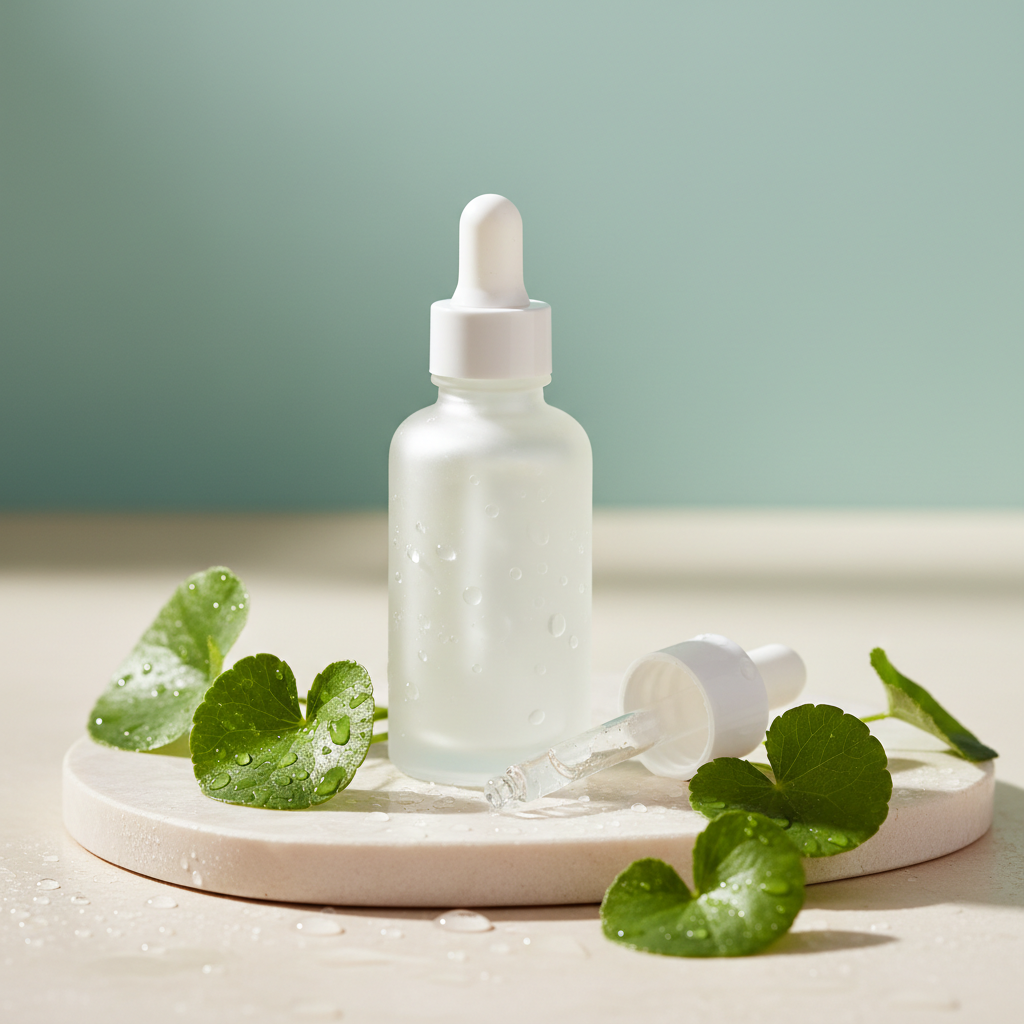
Niacinamide shows up in everything from serums to sunscreens, and so does a tangle of misinformation about it. Let's clear a few things up with cosmetic-only honesty.
"It cancels out vitamin C." This myth traces back to old laboratory conditions that don't reflect modern formulas or how you actually use products. In today's stable formulations, niacinamide and vitamin C coexist comfortably, and plenty of well-made products pair them on purpose. You don't need to wait an hour between steps.
"Higher percentages are always better." Not really. Niacinamide is a well-tolerated ingredient at modest concentrations, and more isn't automatically more effective—for some people, very high levels can simply feel less comfortable. A thoughtfully balanced percentage usually serves skin better than chasing a big number on a label.
"It causes purging." Niacinamide isn't a cell-turnover ingredient, so it doesn't drive the kind of purging associated with exfoliating acids or retinoids. If a new product brings irritation, that's a tolerance signal—pause, simplify, and patch-test next time. Set expectations gently: niacinamide can help skin look more even and balanced over consistent use, but it's a supportive player, not an overnight switch.
Aqua Drop Complex and the 'Lightweight Hydration' Hype
"Lightweight hydration" is one of those phrases that sounds great and explains nothing. So here's what a hydrating blend like an Aqua Drop complex actually does, in plain terms.
It's built around humectants—ingredients like hyaluronic acid and panthenol that attract and hold water at the skin's surface. The cosmetic payoff is real but specific: skin looks plumper and more dewy, feels softer, and tends to wear more comfortably under SPF and makeup because the surface isn't tight or flaky. Paired with soothing favorites like cica, it also helps a formula feel calm rather than heavy.
What it can't do is replace your moisturizer's full job or deliver deep, lasting change to your skin's structure. Surface hydration is exactly that—surface-level and ongoing, which is why consistency matters more than any single application. And texture-layering still has limits: pile on too many slick, humectant-rich layers and products can pill. Apply thin, let each step settle, and let the lightweight feel work for you instead of against you.
Building Your Sun-Smart Routine
Strip away the debates and sun care comes down to a few habits that genuinely matter:
- Apply enough. Under-applying is the most common mistake. Use roughly two finger-lengths of cream for face and neck, and pass a stick over each area several times until you see an even film.
- Reapply through the day. Sunscreen wears off, especially with sweat, water, and rubbing. A morning layer alone won't carry you to evening.
- Patch-test new formulas. Try a small amount on the inner arm or behind the ear for a couple of days before going all-in, particularly if your skin runs reactive.
- Pick textures you'll actually use. The best sunscreen is the one that gets reapplied. Be honest about your day.
For reapplying over makeup—or on a sweaty commute when a cream is a non-starter—a swipe-on stick removes the friction. If you want a matte finish for that midday refresh, the No Sebum Sun Stick is an easy option to keep in your bag. Pair a generous cream in the morning with a stick for touch-ups, and you've covered both ends of the day without choosing sides.