
PDRN Skincare Myths: What This Buzzy Ingredient Can (and Can't) Do
PDRN skincare myths, sorted from fact. A balanced, evidence-minded look at what PDRN actually does in your routine—and how to use it well for calmer, plumper skin.
- pdrn
- skincare science
- ingredient guide
- soothing skincare
- k-beauty
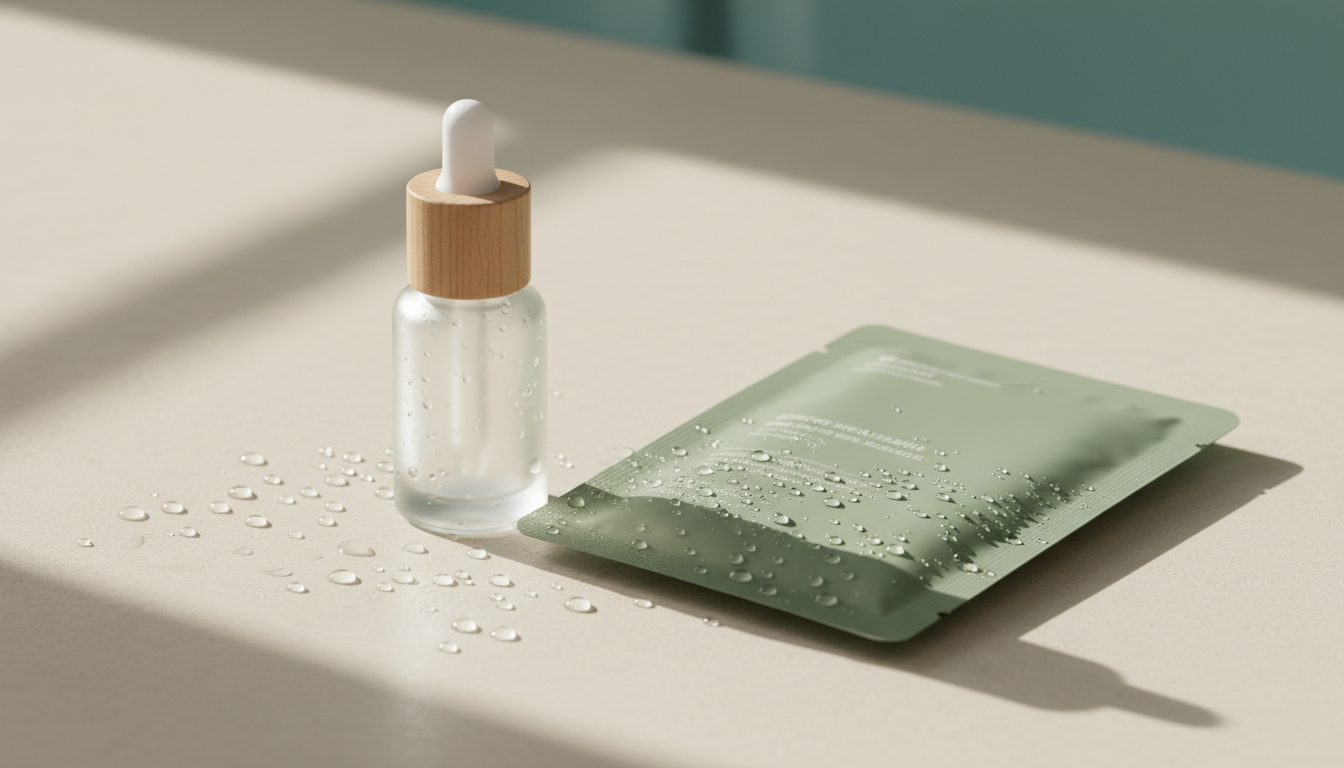
What PDRN Actually Is (Beyond the Hype)
PDRN stands for polydeoxyribonucleotide—a bit of a mouthful, so here's the plain-English version. It's a mix of DNA fragments, most often sourced from salmon (specifically the milt, or reproductive cells). Those fragments are purified and broken down into smaller pieces that play nicely in skincare formulas. The salmon connection sounds surprising, but it's chosen for a reason: this kind of DNA is biologically familiar to skin, which makes it a gentle, well-tolerated cosmetic ingredient.
So why did PDRN become a K-beauty buzzword seemingly overnight? Part of it is novelty, part of it is the satisfying narrative of a "next-generation" active. It started showing up in serums, ampoules, and sheet masks promising glassy, revived skin, and the hype machine took it from there.
Throughout this article, we're looking at PDRN strictly through a cosmetic lens—what a leave-on serum or a sheet mask can reasonably support on the surface of healthy skin. That's a very different conversation from clinical or medical settings, and keeping those lanes separate is the key to setting honest expectations.
Myth #1: PDRN Is a Miracle 'Skin Healer'
This is the big one. You'll see PDRN described as a magic "skin healer" that repairs and regenerates, almost like a treatment in a bottle. It's an appealing story—and an inaccurate one for cosmetics.
Here's the distinction that matters. In medical or clinical contexts, polydeoxyribonucleotide is studied and used in ways that are tightly regulated and supervised by professionals. A serum or sheet mask you buy for your bathroom shelf is a cosmetic—it works on the surface and the look and feel of skin. It can't and shouldn't claim to heal, repair, or treat anything.
What a thoughtfully formulated PDRN cosmetic can do is meaningful in its own right: it can help skin feel more comfortable, look more hydrated, and appear visibly revived after a stressful week of screens, weather, and over-exfoliation. That's a worthwhile, realistic benefit—just not a medical one. When you reframe PDRN as a comfort-and-glow ingredient rather than a cure, it stops disappointing and starts delivering.
Myth #2: More PDRN Always Means Better Results
It's tempting to scan an ingredient list, find a percentage, and assume bigger numbers equal better skin. With PDRN, that math rarely holds up. A higher concentration doesn't automatically mean a better-performing product—and "pure" PDRN isn't a meaningful selling point on its own.
What actually shapes results is formulation. Molecular size influences how an ingredient behaves on skin. Delivery—the texture, the way it's suspended, how it sits on and absorbs into the surface—affects the experience and finish. And supporting ingredients can make or break the whole thing.
A well-built formula often pairs PDRN with calming, hydrating partners so the overall feel is greater than the sum of its parts. Think of these supporting players:
- Panthenol (vitamin B5) for a soft, soothed, cushioned feel.
- Hyaluronic acid to draw in surface moisture for a plumper look.
- Centella asiatica and madecassoside to comfort skin that looks stressed or reactive.
The lesson: judge a PDRN product by how it's composed and how your skin responds—not by a single number on the label.
Myth #3: PDRN Replaces Your Whole Routine
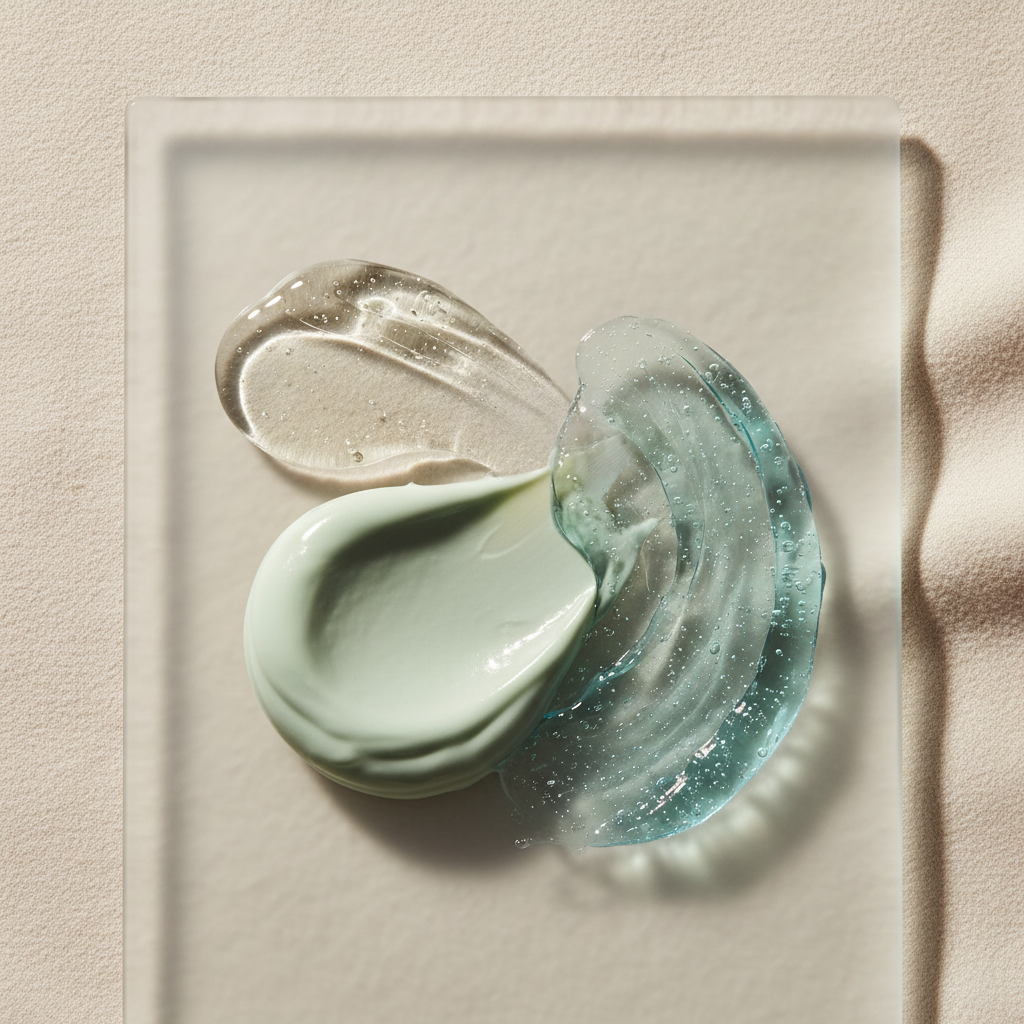
Every so often a buzzy ingredient gets crowned the one step you'll ever need. PDRN has had its turn in that spotlight, and it's worth gently letting the air out of that idea.
No single hero step makes the fundamentals redundant. PDRN is best understood as a comfort-and-replenishment player—a lovely addition that complements your routine rather than rewriting it. It doesn't cleanse away the day, it doesn't seal in moisture the way a proper moisturizer does, and it certainly doesn't take the place of sunscreen.
Picture it this way: your cleanser sets a clean canvas, your moisturizer supports the skin barrier and keeps things soft, and your daily SPF is the non-negotiable that protects the look of your skin over time. PDRN slots in among these basics to add comfort and a hydrated, replenished feel—it shines as part of a team, not as a solo act.
What the Honest, Cosmetic Picture Looks Like
So where does that leave us? With a picture that's genuinely flattering to PDRN once you strip away the overpromising.
In a cosmetic context, PDRN can help soothe the look of stressed, tired skin—the kind that feels tight or appears dull after travel, weather, or a too-enthusiastic exfoliation phase. Paired with the right hydrators, it supports a plumper, more comfortable, well-hydrated finish, the soft-focus quality often described as a glassy or dewy glow.
Notice the language, because it matters: PDRN helps, supports, and visibly improves the look of skin. It doesn't fix, erase, or heal. That careful framing isn't a hedge—it's an accurate description of what a leave-on or sheet-mask cosmetic does. Skin that feels calmer and looks more hydrated is exactly the kind of everyday win that keeps a product in your routine.
How to Use PDRN Wisely (and Where the B5 Mask Fits)
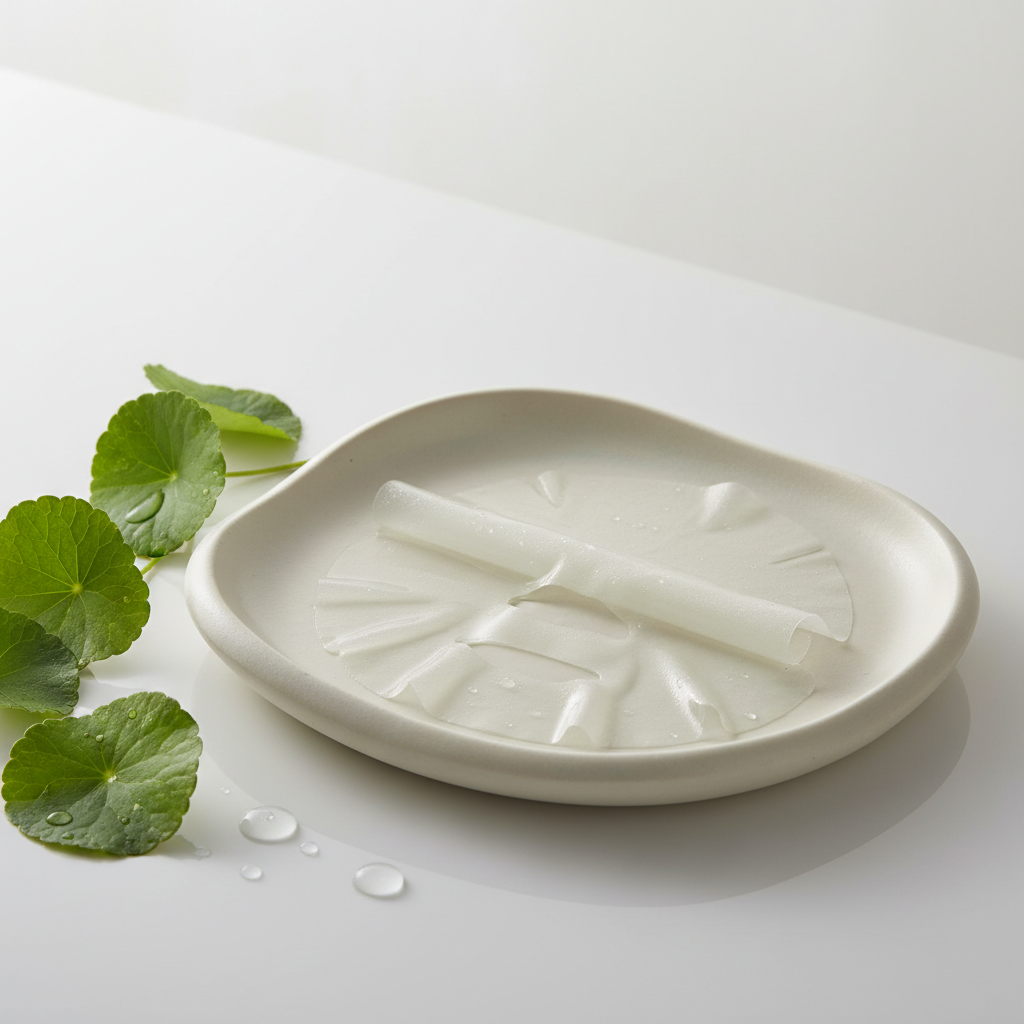
Getting the most from PDRN is less about complexity and more about a few smart habits. Start with a patch test—dab a small amount on your inner forearm or behind the ear for a couple of days before applying to your face. Even gentle, well-tolerated ingredients deserve this step, especially if your skin runs reactive.
When you apply, layer PDRN onto damp skin. A lightly hydrated surface gives water-loving ingredients something to hold onto, so your serum or mask sits more comfortably and the finish looks plumper. Follow with moisturizer to lock in that softness, and never skip daily sunscreen in the morning.
Pairing PDRN with calming partners like panthenol (B5) is a natural fit—the two together feel cushioned and soothing rather than busy. Treat masks as an occasional comfort boost, not a daily obligation: a few minutes of saturated, slow skincare when your skin feels parched or stressed.
That's exactly the thinking behind our PDRN B5 Mask—a low-effort way to combine PDRN with B5 in a single sit-down step. Smooth it on after cleansing and toning, let it do its quiet work, then press in the leftover essence. It's an easy ritual for when you want skin to look and feel soothed and plumped without adding more bottles to your shelf.
The Bottom Line on PDRN Myths
PDRN is a genuinely interesting ingredient that got tangled up in a few tall tales. Sorted from fact, the takeaway is refreshingly simple. Set your expectations realistically: this is a cosmetic comfort ingredient, not a miracle and not a medical treatment.
Value formulation over hype. The percentage on the label tells you far less than how the whole product is built—the supporting ingredients, the texture, the way it feels on your skin. And keep PDRN in its rightful place as one helpful step among your essentials, never a replacement for cleansing, moisturizing, and sun protection.
Approached this way, PDRN earns its spot as a worthwhile comfort player: an ingredient that helps soothe the look of stressed skin and supports a plumper, more hydrated, glassy finish. Not a cure-all—just a quietly lovely addition to a calm, considered routine.